
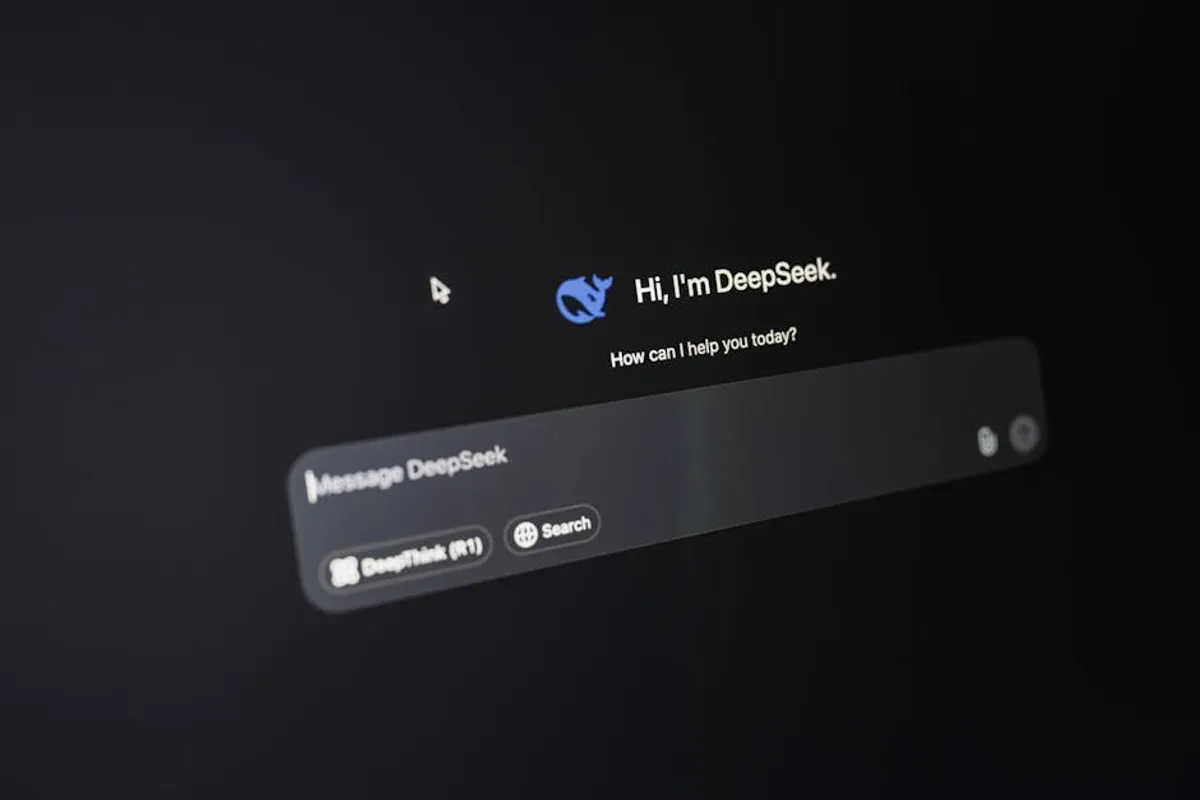
Analyzing a domain like redeepseek.com requires an understanding of the current shift in the generative AI market. As users move away from generalized large language models toward specialized, high-efficiency alternatives, domains that position themselves around specific architectures like DeepSeek capture a highly motivated segment of technical traffic. For digital teams and SEO strategists, redeepseek.com represents a niche-specific play that leverages brand-adjacent search volume. Understanding how this site structures its visibility provides a blueprint for capturing traffic in the volatile AI sector without relying solely on broad, high-competition keywords.
What redeepseek.com Appears to Cover
The content strategy of redeepseek.com likely centers on the DeepSeek model ecosystem, focusing on the practical application, deployment, and optimization of these specific open-source models. Unlike general AI news sites, this domain appears to target the intersection of developer utility and end-user accessibility. This includes technical documentation, API integration guides, and perhaps localized or "wrapped" versions of the model that offer specific UI improvements over the standard implementation.
By focusing on a single lineage of AI models, redeepseek.com builds topical authority faster than a generalist site. The coverage likely extends into comparisons between different model versions, such as the V3 or R1 iterations, and provides troubleshooting content for users attempting to run these models locally or via cloud providers. This granular focus allows the site to rank for specific technical queries that broader tech publications often overlook in favor of high-level industry news.
Where Its Search Traffic May Come From
The primary driver for redeepseek.com is almost certainly organic search fueled by "DeepSeek" branded queries. As global interest in efficient, cost-effective AI models grows, the search volume for the term itself has spiked, creating a massive "long-tail" of related searches. This site likely captures users looking for mirrors, alternative interfaces, or specific deployment instructions that the official documentation might lack in clarity or accessibility.
Secondary traffic sources likely include referral traffic from developer communities and AI directories. When users on forums or social platforms seek a specific way to interact with DeepSeek models, a dedicated resource like redeepseek.com becomes a natural link target. This creates a self-reinforcing loop where organic visibility leads to social shares, which in turn signals to search engines that the domain is a credible authority within this specific sub-niche of the AI industry.
Search Intent Behind the Subject
The search intent for redeepseek.com is multifaceted, spanning the entire user journey from discovery to execution. At the top of the funnel, informational intent dominates. Users are searching for "what is redeepseek" or "how to use DeepSeek models." These users are looking for clarity and are likely in the research phase of choosing an AI tool for their specific workflow.
Moving deeper into the funnel, the intent shifts toward functional and navigational queries. Users may search for specific features or "redeepseek login" to access a particular interface. There is also a strong "how-to" intent, where developers or power users are looking for specific code snippets or configuration settings. By satisfying these high-intent queries, redeepseek.com moves from being a simple information provider to a functional resource that users return to as a utility, which is a significant driver of direct traffic and long-term domain health.
Why Traffic May Rise or Fall
Traffic for redeepseek.com is highly sensitive to the release cycles of the underlying AI models it covers. Whenever a new version of the DeepSeek model is announced or updated, search volume will naturally surge as users seek out documentation and implementation guides. Conversely, if the core brand loses relevance or is superseded by a more efficient competitor, the domain could see a sharp decline in organic interest unless it pivots to cover the newer technology.
Algorithmic sensitivity is another factor. Search engines are increasingly scrutinizing AI-related content to ensure it provides genuine value rather than just rehashed documentation. If redeepseek.com maintains a high standard of original, technical insights, it will likely weather core updates well. However, if the content is perceived as purely derivative or low-effort "thin" content designed solely to capture brand traffic, it risks being de-indexed or suppressed in favor of more authoritative primary sources.
How the Site Could Improve Organic Visibility
To maximize its footprint, redeepseek.com could benefit from a more aggressive pursuit of "comparison" keywords. Many users are currently searching for how DeepSeek models stack up against other industry leaders. By creating detailed, data-driven benchmarks and comparison pages, the site could capture traffic from users who are not yet committed to the DeepSeek ecosystem but are exploring their options.
Technical SEO improvements, particularly the implementation of structured data for software applications and FAQ schema for technical guides, would also enhance visibility in search engine results pages. Rich snippets can significantly increase click-through rates for technical queries. Additionally, improving the site's performance metrics—specifically PageSpeed Insights and Core Web Vitals—is crucial, as the developer-heavy audience for this site typically has a low tolerance for slow-loading or unresponsive interfaces.
What to Check Before Trusting Traffic Estimates
When evaluating the traffic of a niche domain like redeepseek.com, it is important to remember that third-party SEO tools often struggle with rapidly emerging keywords. The AI sector moves faster than most database update cycles, meaning the actual traffic could be significantly higher or lower than what is reported in standard estimates. You must look at the "keyword difficulty" and "search volume" trends for the underlying brand terms to get a realistic picture of the potential audience size.
Furthermore, one should analyze the ratio of branded versus non-branded traffic. If the majority of the traffic is coming from the brand name "redeepseek" itself, it indicates a loyal user base and strong direct-to-site behavior. If the traffic is mostly from generic AI terms, the site is more vulnerable to competition from larger publishers. Always cross-reference estimated traffic with the site’s actual engagement signals, such as the frequency of content updates and the presence of an active user community, to determine the true commercial value of the domain.
Frequently Asked Questions
Is redeepseek.com focused on developers or general users?
The domain appears to cater to both. While it provides the technical depth required by developers for model implementation, it also offers accessible interfaces and guides that allow non-technical users to leverage the power of DeepSeek models without needing to manage complex backend infrastructure.
How does the site handle the rapid changes in AI technology?
Successful domains in this space, such as redeepseek.com, typically maintain visibility by staying ahead of the release curve. This involves updating documentation in real-time as models evolve and providing "day-zero" content when new features or versions are released to the public.
What makes the search intent for this domain unique?
The intent is highly specialized. Unlike general AI searchers, users arriving at redeepseek.com are often looking for a specific alternative to mainstream models. They are usually motivated by factors like cost-efficiency, open-source flexibility, or specific performance benchmarks that DeepSeek is known for.
Can redeepseek.com rank for broader AI keywords?
While its primary strength is in its niche topical authority, the site can rank for broader terms by creating high-quality educational content that links the specific benefits of DeepSeek to general AI trends. However, its most valuable traffic will likely remain within the high-intent, brand-specific keyword clusters.