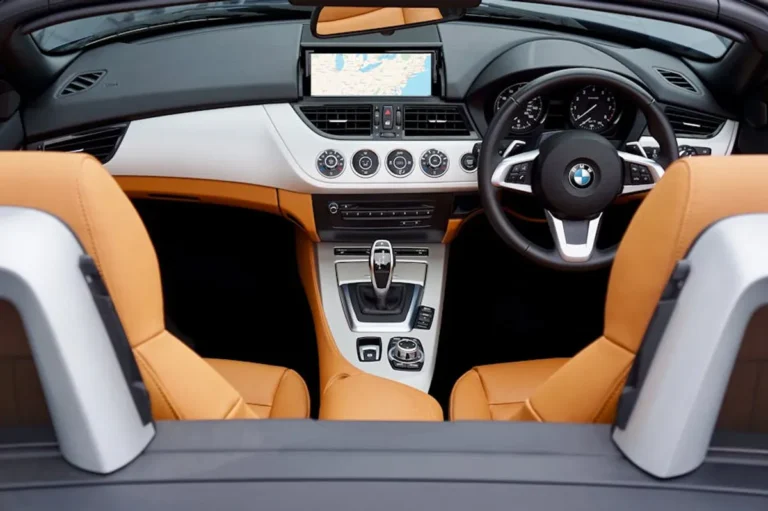

Tflcar operates within the highly competitive automotive content landscape, publishing information that appears to cater to a broad audience of car enthusiasts, prospective buyers, and industry observers. Analyzing a content entity like Tflcar through the lens of its search presence provides insight into its editorial focus, audience engagement, and potential for organic growth. Understanding the types of queries it addresses and the depth of its coverage reveals how it positions itself against established automotive publishers and specialized niche sites. This profile examines Tflcar's apparent content strategy, typical audience intent, and pathways for enhancing its search visibility.
What Tflcar Appears to Cover
Based on its implied content focus, Tflcar likely publishes a diverse range of articles centered on vehicle specifics, performance, and consumer guidance. The site appears to delve into detailed expositions of various vehicle models, providing foundational information about their core identity and market positioning. This includes comprehensive breakdowns of vehicle specifications, design philosophies, and technological integrations. Articles often highlight particular attributes, such as engine performance, infotainment systems, driver-assistance technologies, and interior comfort, which constitute the "features" aspect of its coverage.
A significant portion of Tflcar's content also seems dedicated to automotive safety. This category would encompass analyses of crash test ratings from organizations like the IIHS or NHTSA, explanations of passive and active safety systems, and discussions around emerging safety innovations. Such content serves to inform readers about vehicle reliability and protective measures. Furthermore, the site appears to address buyer considerations by presenting "alternatives," which translates into comparative articles pitting similar vehicles against each other, offering recommendations based on specific criteria, or exploring different vehicle segments for various needs. This suggests a content strategy designed to assist users in their research and decision-making processes, covering everything from initial discovery to detailed comparison.
Where Its Search Traffic May Come From
Tflcar's organic search traffic likely originates from a mix of specific and broad queries related to the automotive sector. A substantial portion would stem from long-tail informational queries, such as "what is [specific car model] known for" or "how does [car feature] work." Users seeking objective data on vehicle safety, like "crash test ratings for [year] [make] [model]," would also contribute. Commercial investigation queries, such as "best alternatives to [car model]" or "[car model A] vs [car model B] comparison," indicate users in the mid-to-late stages of their purchase journey, actively evaluating options. Navigational searches for "Tflcar reviews" or "Tflcar [specific car model]" suggest a returning audience or users specifically seeking the site's perspective. The site's ability to capture traffic across these intent types depends on its content depth, freshness, and authority within the automotive niche.
Search Intent Behind Tflcar
The content published by Tflcar suggests a primary focus on two key search intent categories: informational and commercial investigation.
Informational Intent: Users with informational intent are typically seeking to understand a concept, learn about a specific vehicle, or gain general automotive knowledge. Tflcar addresses this through articles detailing vehicle specifications, explaining technological features, or providing background on safety standards. For example, a user searching for "what is adaptive cruise control" or "how do airbags work" would align with this intent, finding answers in Tflcar's explanatory content.
Commercial Investigation Intent: This intent category captures users who are actively researching products or services with a potential purchase in mind, but are not yet ready to buy. Tflcar's coverage of "features" and "alternatives" directly targets this audience. Queries like "best family SUVs with AWD" or "sedan vs. hatchback fuel efficiency" indicate users comparing options and seeking detailed evaluations before making a decision. By offering comprehensive comparisons and deep dives into specific vehicle attributes, Tflcar positions itself as a valuable resource for these researchers.
Why Traffic May Rise or Fall
Tflcar's organic search traffic patterns are intrinsically linked to its content strategy and the dynamic nature of the automotive market. Traffic could experience an upward trend by consistently publishing timely content on new vehicle launches, providing in-depth analyses of emerging automotive technologies (e.g., EV battery advancements, autonomous driving features), or updating evergreen content with the latest model year information and safety ratings. Strong editorial authority, demonstrated through expert authorship and rigorous fact-checking, also contributes significantly to sustained visibility. Conversely, traffic might decline if the site's content becomes outdated, fails to cover popular new models promptly, or if it faces increased competition from other publishers offering more comprehensive or authoritative content. Technical SEO issues, such as poor site speed or inadequate mobile responsiveness, can also negatively impact search performance, as can shifts in search algorithm preferences that favor certain content formats or depth.
How the Site Could Improve Organic Visibility
To enhance its organic visibility, Tflcar could implement several targeted SEO strategies.
Expand Topic Clusters: Develop comprehensive content clusters around high-value, high-volume automotive topics. For instance, instead of isolated articles, create a central pillar page on "Electric Vehicle Safety" that links out to detailed sub-articles on "EV Battery Fire Risks," "Charging Safety Protocols," and "Autonomous Safety Features in EVs." This structured approach signals topical authority to search engines.
Deepen Content Expertise: For critical "review" and "safety" content, Tflcar should emphasize E-E-A-T (Experience, Expertise, Authoritativeness, Trustworthiness). This involves featuring automotive industry experts or certified mechanics as authors, citing primary sources for safety data (e.g., NHTSA reports), and providing unique insights derived from hands-on testing or expert interviews. This depth can differentiate its content from generic overviews.
Optimize for Comparative Queries: Given its focus on "alternatives," Tflcar should specifically optimize for head-to-head comparison keywords. This means creating dedicated comparison articles (e.g., "Ford F-150 vs. Ram 1500") that directly address user intent, using comparison tables, pros/cons lists, and clear recommendations. Implementing schema markup for product comparisons can also improve SERP presentation.
Leverage Structured Data: Implement schema markup for automotive reviews, vehicle specifications, and FAQ sections. This helps search engines better understand the content's context and can lead to richer search results, such as star ratings or direct answers appearing in the SERP, increasing click-through rates.
What to Check Before Trusting Traffic Estimates
When evaluating search traffic estimates for a site like Tflcar, it is crucial to approach the data with a critical perspective. Various third-party tools provide traffic projections, but these are often based on sampled data and algorithmic assumptions, not direct analytics access. Key considerations include verifying the methodology used by the estimation tool, understanding the recency of the data, and recognizing that these tools may not capture all long-tail or niche traffic accurately. Furthermore, it's important to consider if the estimates account for seasonal trends in automotive searches, such as new model year releases or holiday sales periods. Direct traffic, social media referrals, and other non-organic sources are also typically excluded from these SEO-focused estimates, meaning the total audience reach of Tflcar could be significantly higher than what search traffic estimates alone suggest.
Frequently Asked Questions About Tflcar's Content
What types of vehicles does Tflcar typically cover?
Tflcar appears to cover a broad spectrum of vehicles, including cars, trucks, and SUVs, often focusing on new model releases, popular segments, and vehicles undergoing significant updates in design or technology.
How does Tflcar address vehicle safety in its content?
The site's content on vehicle safety likely includes analyses of official crash test results, explanations of active and passive safety features, and discussions on how these technologies contribute to occupant protection and accident prevention.
What kind of comparison content does Tflcar provide?
Tflcar seems to offer comparative articles that evaluate different vehicle models within the same segment or across segments, highlighting their features, performance, and value propositions to help readers make informed decisions.
What is the primary audience for Tflcar's content?
The primary audience for Tflcar's content appears to be prospective car buyers, automotive enthusiasts, and individuals seeking detailed information and comparisons on various vehicles and related technologies.