
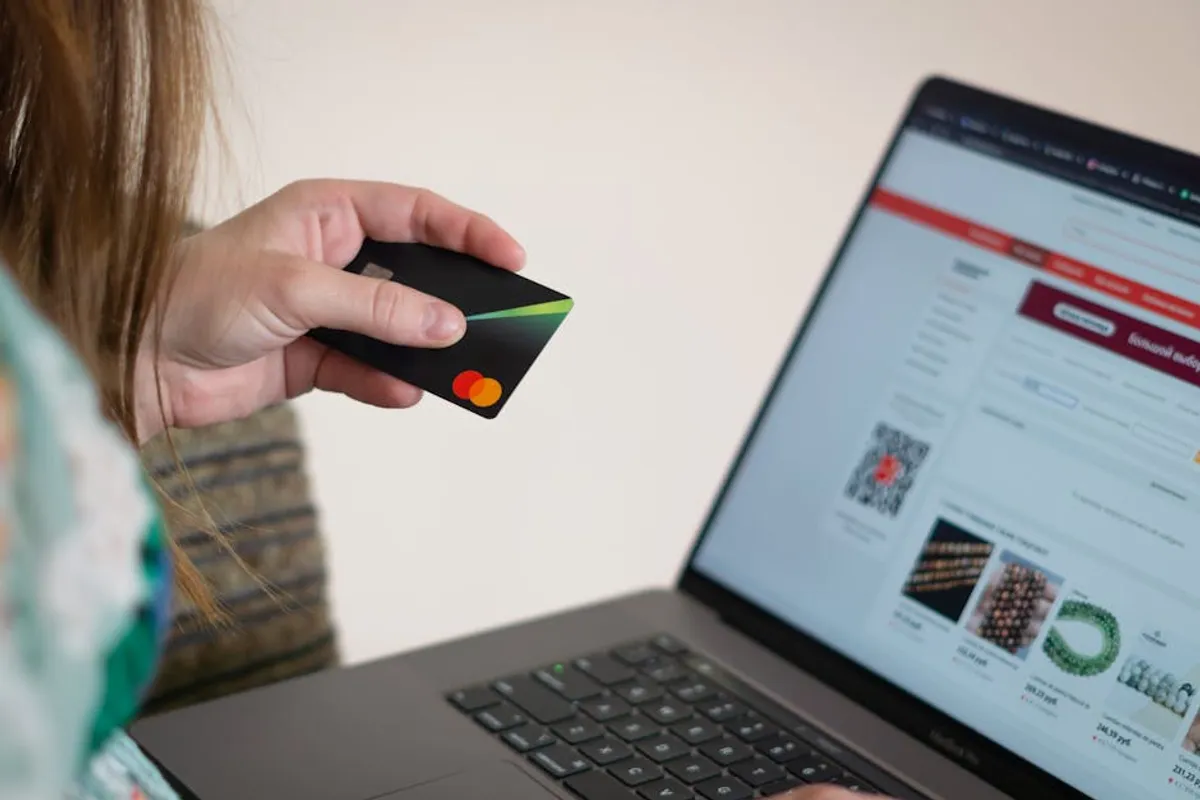
In the digital economy, a website serves as a primary interface for customer interaction, often representing the first point of contact and the crucial gateway to commercial transactions. The design of this digital storefront extends far beyond aesthetics and usability; it encompasses the underlying security architecture that either reinforces or erodes customer trust. Businesses frequently prioritize features, content, and conversion funnels, sometimes overlooking the foundational role of robust security in shaping user perception and driving long-term commercial success. A secure website design is not merely a technical requirement; it is a strategic investment in customer confidence, directly influencing conversion rates, brand reputation, and sustained engagement.
The Imperative of Digital Security in Customer Engagement
Customer trust, once earned, becomes a powerful differentiator in a competitive online landscape. In an era of frequent data breaches and privacy concerns, users are increasingly discerning about where they share their information and conduct business. A website that visibly and functionally prioritizes security communicates a commitment to protecting its visitors, fostering a sense of reliability that translates directly into commercial advantage. This goes beyond simply avoiding penalties for non-compliance; it’s about proactively building a positive brand image.
Beyond Compliance: Security as a Brand Differentiator
While regulatory frameworks like GDPR and CCPA mandate specific security and privacy standards, compliance alone does not automatically generate trust. True trust emerges from a transparent, consistent demonstration of security measures that users can recognize and understand. When customers perceive a website as secure, they are more likely to complete purchases, subscribe to services, and return for future interactions. This perception is built on a combination of visible security indicators and the underlying technical integrity of the site, establishing security as a core component of brand identity rather than just a backend chore.
Foundational Elements of a Trustworthy Online Presence
Implementing effective security measures requires a multi-faceted approach, integrating technical protocols with clear communication to the user. Each element contributes to the overall perception of safety and reliability.
HTTPS and SSL: The Visual Cue of Encrypted Data
The presence of HTTPS in the URL and the padlock icon in the browser address bar are the most universally recognized symbols of a secure connection. An SSL (Secure Sockets Layer) or TLS (Transport Layer Security) certificate encrypts data exchanged between a user's browser and the website server, preventing eavesdropping and tampering. For users, this visual cue immediately signals that their personal and financial information is protected during transmission. Without HTTPS, browsers often display "Not Secure" warnings, which can deter up to 70% of potential customers from proceeding, especially on pages requiring personal data input.
Data Privacy Policies: Communicating Respect for User Information
A clearly articulated and easily accessible privacy policy is fundamental. This document should detail what data is collected, how it is used, who it is shared with, and how users can control their information. Beyond legal boilerplate, the policy should be written in straightforward language, avoiding jargon, to genuinely inform users. Websites that provide granular control over cookie preferences and data sharing, often through consent management platforms, further empower users and reinforce a commitment to data respect. This transparency builds confidence that personal data is handled responsibly, an increasingly critical factor for online consumers.
Secure Transaction Processing: Protecting Financial Data
For e-commerce sites, secure payment gateways are non-negotiable. Adhering to standards like PCI DSS (Payment Card Industry Data Security Standard) ensures that credit card data is processed, stored, and transmitted securely. Displaying trusted payment processor logos (e.g., Visa, Mastercard, PayPal) and security seals from reputable third-party auditors (e.g., McAfee Secure, Norton Secured) provides immediate visual reassurance during the checkout process. Any perceived vulnerability in the payment flow, such as redirects to unsecured pages or lack of clear security indicators, can lead to high cart abandonment rates.
Proactive Security Measures: Audits, Updates, and Incident Preparedness
Security is not a static state but an ongoing process. Regular security audits, penetration testing, and vulnerability scanning identify and address weaknesses before they can be exploited. Keeping all website software, plugins, and frameworks updated prevents common attack vectors. Furthermore, having a clear incident response plan—detailing how a potential breach would be handled, communicated, and resolved—demonstrates organizational maturity and can mitigate the long-term damage to trust if an incident occurs. Proactive maintenance signals a responsible approach to safeguarding customer data.
Pro Tip: Do not treat security as an invisible backend process. Actively communicate your security measures to users through clear badges, privacy statements, and even dedicated security pages. This proactive transparency converts technical diligence into tangible trust signals, directly impacting user confidence and commercial outcomes.
The Tangible Returns of a Secure Design Investment
The commercial benefits of a securely designed website extend across various key performance indicators, translating directly into revenue and brand equity.
Conversion Rate Optimization Through Trust
When users feel secure, their hesitation to convert diminishes. An HTTPS connection, clear privacy statements, and secure payment processing all reduce friction points in the conversion funnel. For instance, a prominent security badge on a checkout page can increase perceived trustworthiness and reduce abandonment rates by several percentage points. This directly impacts sales, lead generation, and subscription sign-ups, offering a measurable return on security investments.
Brand Reputation and Long-Term Customer Loyalty
A website’s security posture is intrinsically linked to its brand reputation. A single security incident, particularly a data breach, can severely damage a brand’s image, leading to a loss of customer loyalty and significant recovery costs. Conversely, a consistent track record of robust security builds a reputation for reliability and responsibility. This fosters long-term customer relationships, encourages repeat business, and generates positive word-of-mouth, which are invaluable assets for any commercial entity.
Implementing and Maintaining a Secure Digital Environment
Building customer trust through secure website design is an ongoing commitment rather than a one-time project. Begin by auditing your current security posture and identifying immediate improvements. Prioritize visible security elements like HTTPS and clear privacy policies. Regularly review and update your site's software, plugins, and third-party integrations. Establish a routine for security scans and penetration testing. Educate your team on security best practices and ensure they understand the importance of data protection. By embedding security into every aspect of your website's design and operation, you cultivate an environment where trust can flourish, directly supporting your commercial objectives.
Frequently Asked Questions
What is an SSL certificate and why is it essential?
An SSL (Secure Sockets Layer) certificate is a digital certificate that authenticates a website's identity and encrypts information sent to and from the site. It is essential because it protects sensitive data like login credentials and credit card numbers from being intercepted, building trust with users and improving search engine visibility.
How does a website's security posture impact its search engine ranking?
Google explicitly uses HTTPS as a ranking signal, favoring secure websites in search results. Beyond this direct factor, a secure site typically offers a better user experience, leading to lower bounce rates and higher engagement, which indirectly contribute to improved search rankings.
What are key indicators of a secure website for users?
Key indicators include the padlock icon in the browser's address bar, a URL beginning with "https://", clear and accessible privacy policies, recognizable security seals or badges (e.g., payment processor logos), and transparent communication about data handling.
Can a small business afford robust website security?
Yes, robust website security is accessible for small businesses. Many hosting providers offer free SSL certificates, and cost-effective security solutions exist for firewalls, malware scanning, and regular backups. The cost of preventing a breach is significantly less than the potential financial and reputational damage of an incident.