
Engaging a web design agency represents a significant investment in a business’s digital infrastructure and market presence. The outcome directly impacts brand perception, user experience, and conversion potential. Approaching this decision without a structured inquiry can lead to misaligned expectations, budget overruns, and a final product that fails to meet strategic objectives. This guide outlines essential questions to pose to prospective agencies, designed to elicit specific, actionable information that clarifies their capabilities, processes, and suitability as a long-term partner.
Understanding Agency Processes and Methodology
A web design project is a complex undertaking, and an agency's approach dictates efficiency, transparency, and ultimately, success. Inquire about their standard operating procedures to gauge their organizational maturity and how they manage client expectations.
Project Lifecycle and Milestones
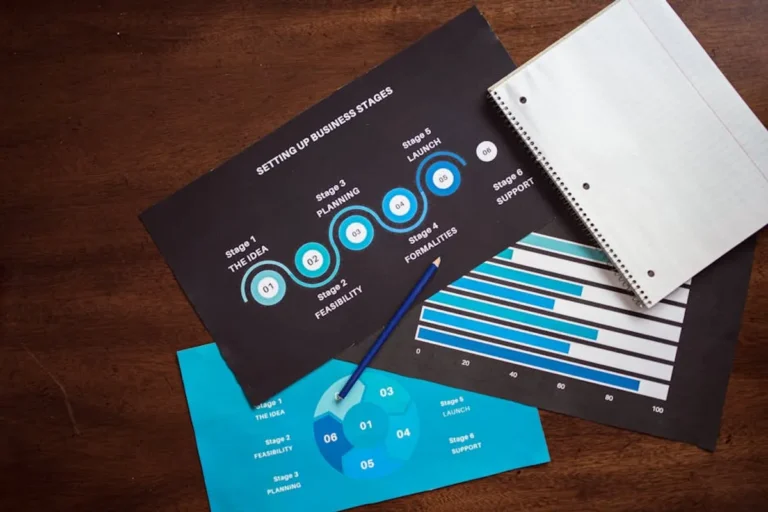
Ask for a detailed breakdown of their typical project lifecycle, from initial discovery to final launch and beyond. A reputable agency will articulate distinct phases, such as research, wireframing, design, development, testing, and deployment. Each phase should have clear deliverables and client review points. Understanding these milestones enables you to track progress, provide timely feedback, and anticipate your own team's involvement.
Communication Strategy
Clarify how they manage communication throughout the project. This includes identifying the primary point of contact, the frequency of status updates, and the tools they use for collaboration (e.g., project management software, video conferencing). Consistent, organized communication is critical for preventing misunderstandings and keeping the project on schedule. An agency should be able to specify who will be on your project team and their respective roles.
Assessing Experience and Portfolio Relevance
An agency's past work offers tangible evidence of their capabilities and aesthetic. However, a broad portfolio isn't enough; relevance to your specific needs is paramount.
Industry-Specific Experience
Inquire if they have experience designing for businesses within your industry or a closely related sector. While not always mandatory, agencies familiar with your market's nuances, regulatory considerations, or typical customer journeys can accelerate the discovery phase and avoid common pitfalls. Request examples of projects that faced similar challenges or had comparable strategic goals to yours.
Portfolio Depth and Client Testimonials
Review their portfolio with a critical eye. Look beyond visual appeal to assess functionality, mobile responsiveness, and user experience. Ask specific questions about the results achieved for past clients, such as improvements in conversion rates, reduced bounce rates, or enhanced user engagement. Request client references and follow up with them to gain first-hand accounts of working with the agency, focusing on aspects like project management, adherence to deadlines, and responsiveness to feedback.
Pro Tip: When evaluating portfolios, focus on projects that reflect your desired scale, complexity, and target audience. A small business website differs significantly from an enterprise-level e-commerce platform in terms of technical requirements and strategic depth. Ensure the agency's showcased expertise aligns with your project's demands, not just their general design prowess.
Technical Acumen and Post-Launch Support
A beautiful website is ineffective if it's not technically sound, secure, or supported after launch. These questions probe the agency's technical depth and commitment to long-term performance.
Technical Standards and SEO Integration
Ask about the technical standards they adhere to, including coding practices, accessibility guidelines (e.g., WCAG), and mobile-first design principles. Crucially, inquire about their approach to search engine optimization (SEO) during the design and development phases. A truly effective web design integrates SEO from the ground up, considering site structure, content hierarchy, page speed optimization, and schema markup. They should explain how they ensure the site is discoverable and performs well in search results.
Content Management System (CMS) Expertise
Determine which CMS platforms they specialize in and why. Different CMS options (e.g., WordPress, Shopify, custom solutions) offer varying degrees of flexibility, scalability, and ease of use. Ensure their recommendation aligns with your team's technical comfort level and future growth plans. Ask about training provided for your team to manage content post-launch.
Maintenance, Security, and Analytics
Clarify their post-launch support offerings. This includes website maintenance packages, security updates, and bug fixes. Understand how they handle hosting, if applicable, and their protocols for data backup and disaster recovery. Additionally, ask how they integrate analytics tools (e.g., Google Analytics) and if they provide reporting or insights on website performance after launch. Long-term success hinges on continuous monitoring and optimization.
Financials, Contracts, and Long-Term Value
Transparent pricing, clear contractual terms, and an understanding of long-term value are non-negotiable for a successful agency partnership.
Pricing Structure and Deliverables
Obtain a detailed proposal that clearly outlines the pricing structure (fixed fee, hourly, retainer) and what specific deliverables are included at each stage. Beware of vague estimates. Ask about potential additional costs for revisions beyond a certain scope, third-party licenses, or premium plugins. A comprehensive proposal should leave no room for ambiguity regarding what you are paying for.
Contractual Terms and Ownership
Review the contract carefully. Key areas to scrutinize include:
- Intellectual Property (IP) Ownership: Confirm that you will own the final website design, code, and content upon project completion and final payment.
- Scope of Work: Ensure the contract precisely matches the agreed-upon deliverables and services.
- Payment Schedule: Understand the payment milestones and their linkage to project progress.
- Revision Policy: Clarify the number of included revisions and the cost of additional changes.
- Termination Clauses: Know the conditions under which either party can terminate the agreement and any associated penalties or refunds.
Future Scalability and Partnership Potential
Consider the agency's ability to support your business's growth. Can they handle future expansions, new features, or increased traffic? A successful web design project often evolves into an ongoing partnership for digital marketing, content creation, or further development. Assess their capacity and willingness to serve as a long-term strategic partner rather than just a one-off vendor.
Making an Informed Decision
Hiring a web design agency is a strategic decision that impacts your business's digital future. By asking these targeted questions, you move beyond superficial impressions to uncover the operational realities, technical competencies, and cultural fit of prospective partners. This diligent inquiry empowers you to select an agency that not only delivers a visually appealing website but also a robust, performant, and strategically aligned digital asset.
Frequently Asked Questions
What is the typical timeline for a custom web design project?
Project timelines vary significantly based on complexity, features, and client responsiveness. A standard informational website might take 8-12 weeks, while a complex e-commerce platform or custom application could require 4-6 months or more. Agencies should provide a projected timeline with key milestones.
How much should I budget for a professional web design?
Web design costs range widely, from a few thousand dollars for basic sites to tens of thousands or more for highly customized, feature-rich platforms. Factors influencing cost include design complexity, number of pages, custom functionalities, content creation, and ongoing maintenance. Obtain multiple detailed proposals to compare.
What role will my team play in the web design process?
Your team's involvement is crucial. You'll typically be expected to provide content, brand guidelines, strategic input, and timely feedback at various stages. The agency should outline specific points where your input is required to keep the project on track.